Performers
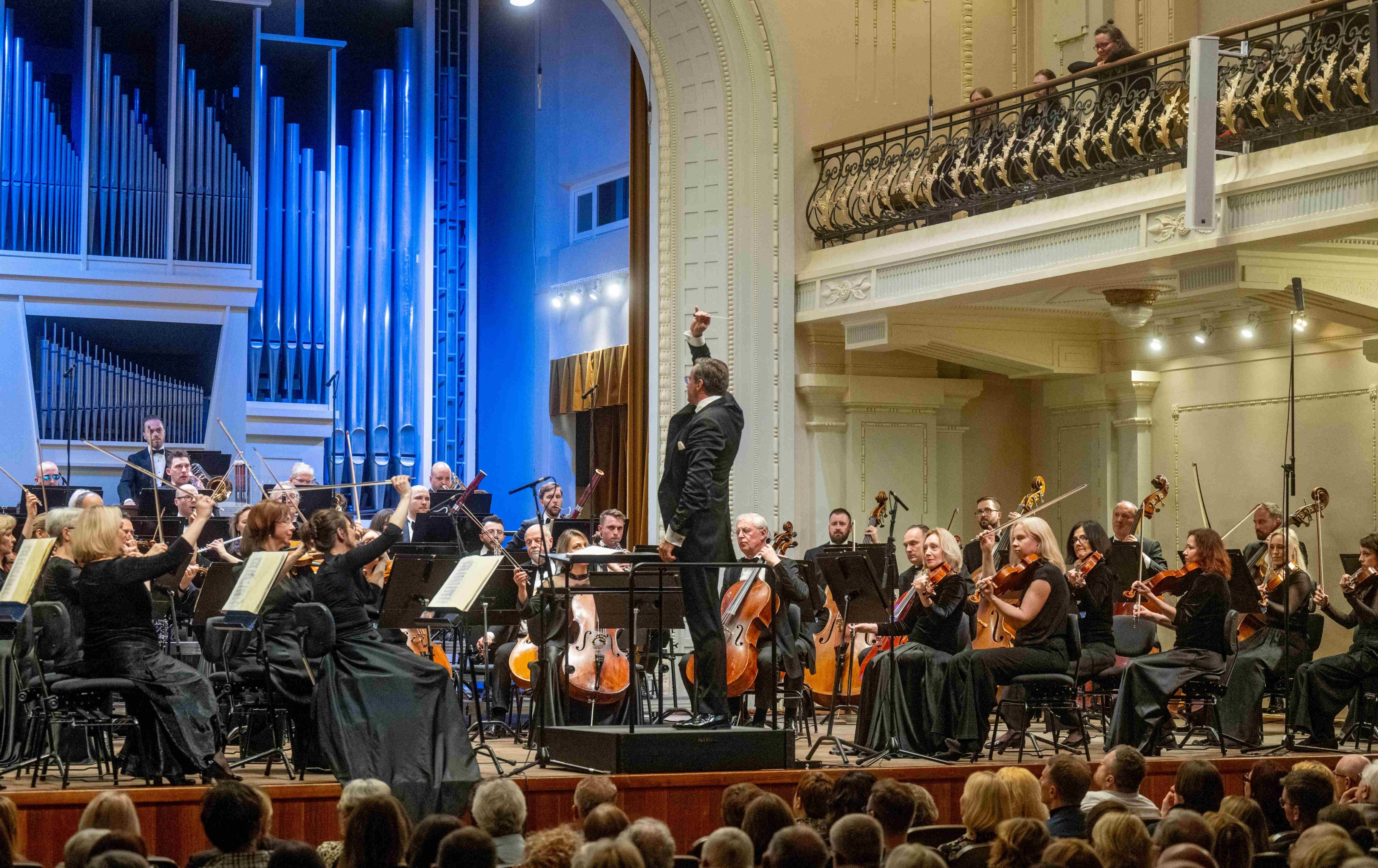
LITHUANIAN CHAMBER ORCHESTRA
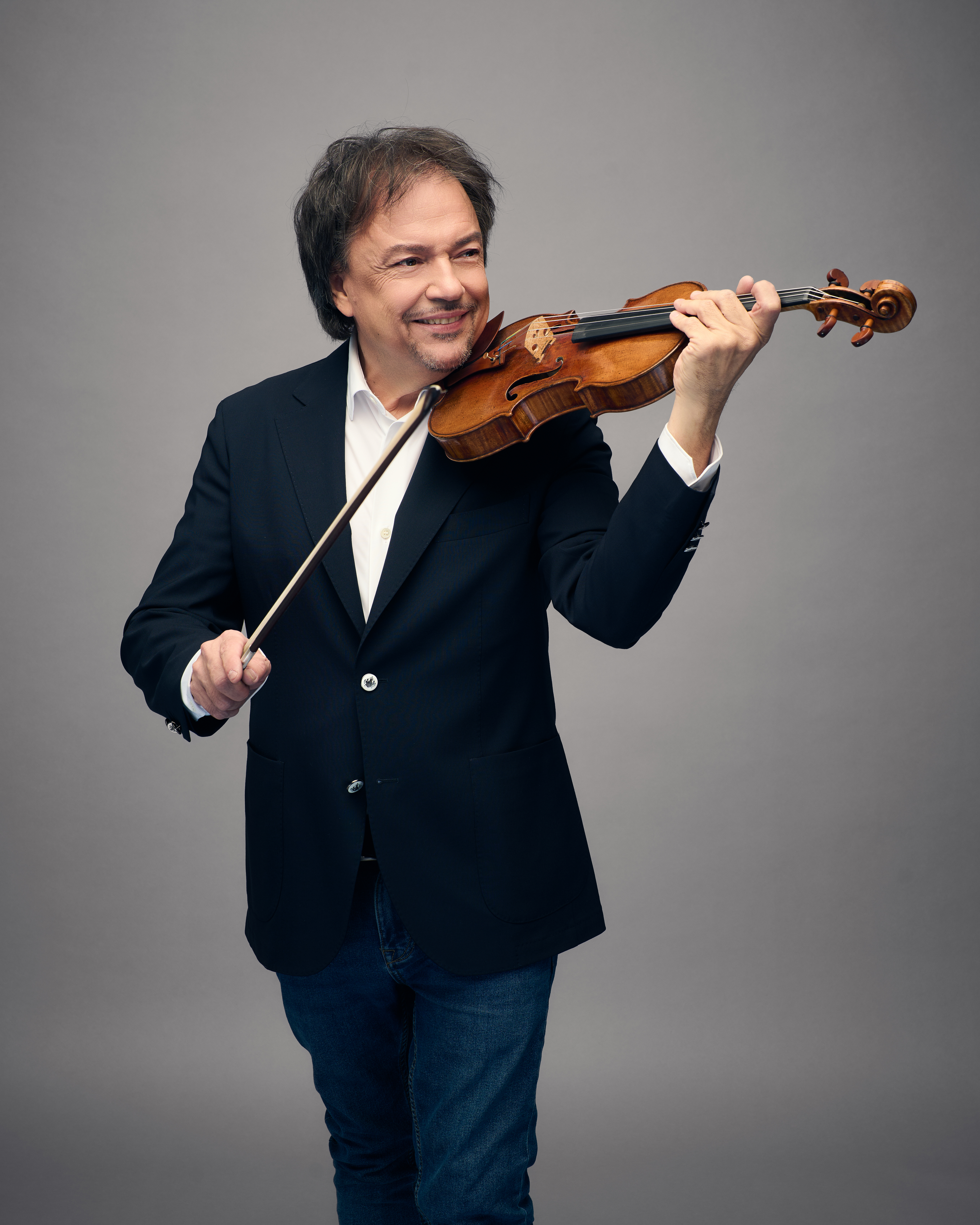
Artistic director, soloist and conductor SERGEJ KRYLOV (violin)
Programme
ANTONIO VIVALDI – Concerto for violin and orchestra, Op. 8, No. 5, RV 253, La Tempesta di Mare (The Storm at Sea)
NICCOLÒ PAGANINI – Concerto for violin and orchestra No. 3 in E major, MS 50 (arranged for string orchestra by Tomas Petrikis)
WOLFGANG AMADEUS MOZART – Symphony No. 40 in G minor, KV 550
About
“The classical symphony was imbued with a rather intimate sound; the orchestra members admired this masterpiece and conveyed it naturally. The artistic director’s long-standing work with this distinguished orchestra bore fruit, and it seemed that the unified interpretation and the ease of the music-making were achieved not even by the conductor’s gestures, but by his thoughts – so sensitively did the musicians respond to his guidance. Conducting at this level demonstrates the precision and vitality of a creative style, although when interviewed after the concert, Sergej Krylov described the orchestra’s evolution as gradus ad parnasum, that is, climbing the stairs to heavenly heights, and, of course, in music those steps never end...”, this is how Daiva Tamošaitytė writes about the Lithuanian Chamber Orchestra and its artistic director, violinist and conductor Krylov. These musicians are kicking off their 66th season with a concert featuring music from three eras: Baroque, Classical, and Romantic.
Tonight the audience will hear two violin concertos. Italian Baroque music of the 17th–18th centuries is represented by Antonio Vivaldi, who, as a performer and composer, incorporated many innovations while developing his own distinctive violin style. This is vividly expressed in the evocative and highly theatrical Concerto for violin and orchestra, RV 253, La Tempesta di Mare (The Storm at Sea), first published in 1725.
The Italian virtuoso Niccolò Paganini is remembered in music history first and foremost as the most spectacular violin star to have toured Europe. Paganini’s talent seemed to far exceed human capabilities; he was not only a virtuoso but also a composer and a pioneer of a new, romantic style of performance. His six innovative violin concertos had a profound impact on the development of the instrumental concerto. With a perfect understanding of the instrument’s capabilities, Paganini employed every technique of violin playing with unprecedented boldness. Composed in 1826, the Violin concerto No. 3 in E major, a large-scale, highly virtuosic work, was not performed for over a century after Paganini’s death in the 1840s, until it was rediscovered in the late 1960s.
The unity of musical imagery in Wolfgang Amadeus Mozart’s popular Symphony No. 40 in G minor, composed in 1788, stirs the most subtle emotions and is not without reason compared to J. W. Goethe’s novel Die Leiden des jungen Werthers (The Sorrows of Young Werther, 1774). Both works convey the heightened emotional sensitivity characteristic of the personalities of that era, immersed in the Sturm und Drang (Storm and Stress) movement.