About
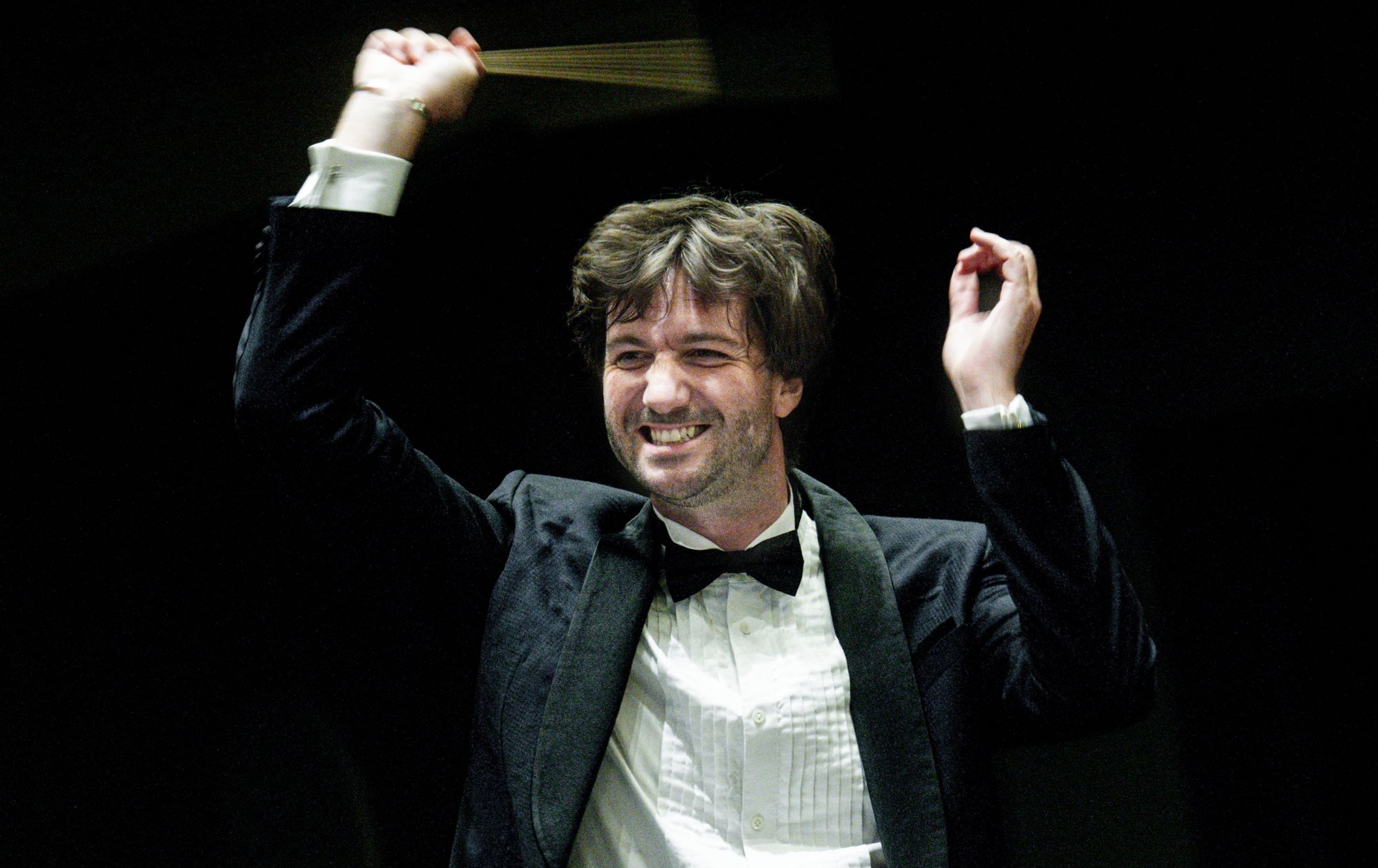
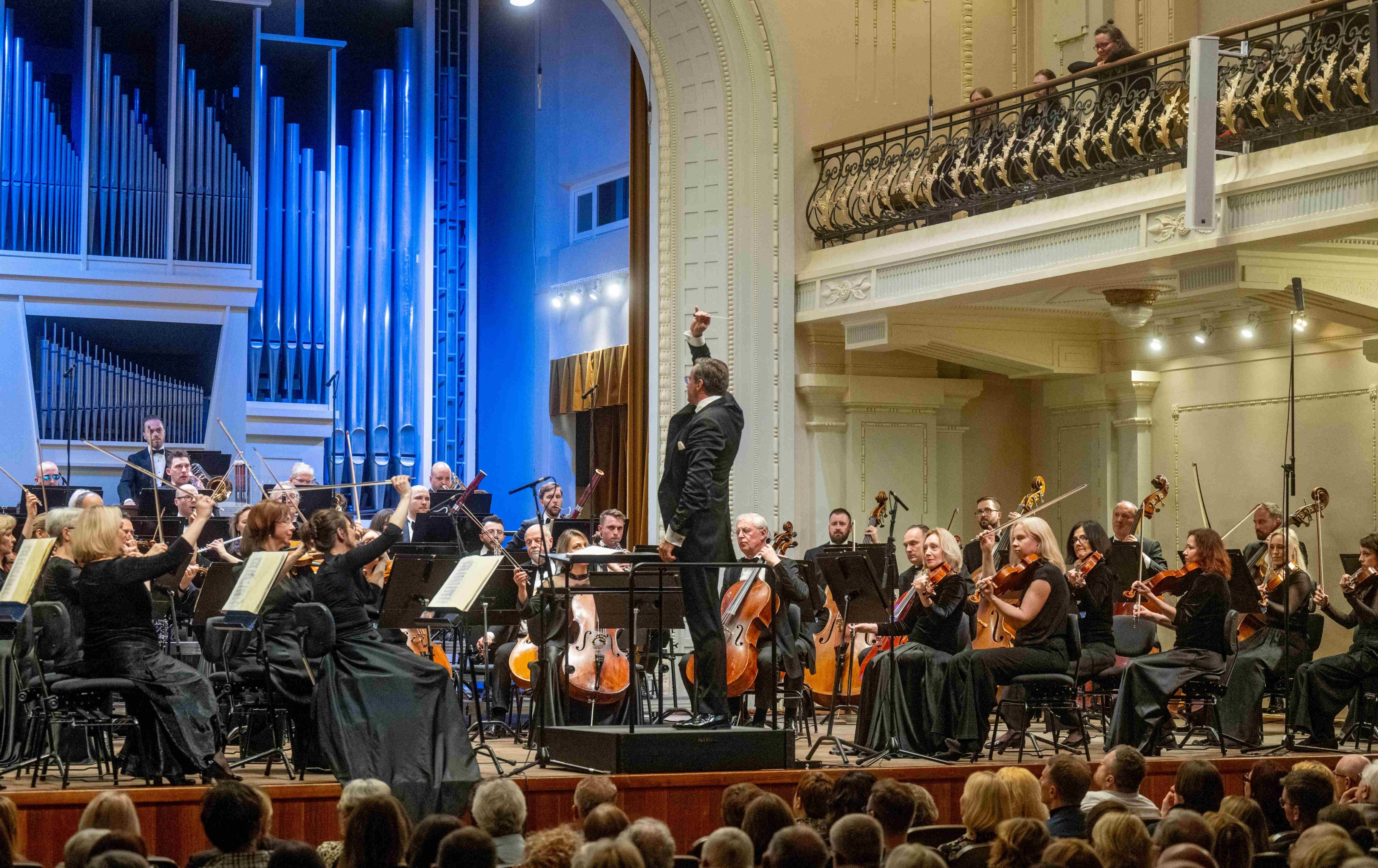
The Lithuanian National Symphony Orchestra and its principal guest conductor from France, Victorien Vanoosten, invite to the second edition of Myths and Legends, this time dedicated to the works of the German composer, conductor, and erudite Richard Strauss. His long creative journey, which began while Richard Wagner was still alive, came to an end after World War II. The concert will open with Tanz der sieben Schleier (Dance of the Seven Veils) from the opera Salome, which caused a major scandal (R. Strauss composed 15 operas). This is an orchestral excerpt: at the request of her stepfather Herod, Salome dances for him, demanding in return the head of the prophet Jochanaan (John the Baptist), which she receives on a silver platter.
The composer was well aware of the capabilities of the most complex ‘instrument’ of all, the symphony orchestra, and composed more than 20 large-scale, mostly programmatic, orchestral works. This concert features two tone poems written in consecutive years: Don Quixote and Also sprach Zarathustra (Thus Spoke Zarathustra, 1896). The latter is one of the rare instances in music history where a philosophical work by Friedrich Nietzsche became the subject of a musical interpretation. R. Strauss was drawn to the originality and novelty of the idea; the composer incorporated numerous brilliant innovations into this work and demonstrated impressive new approaches to orchestration.
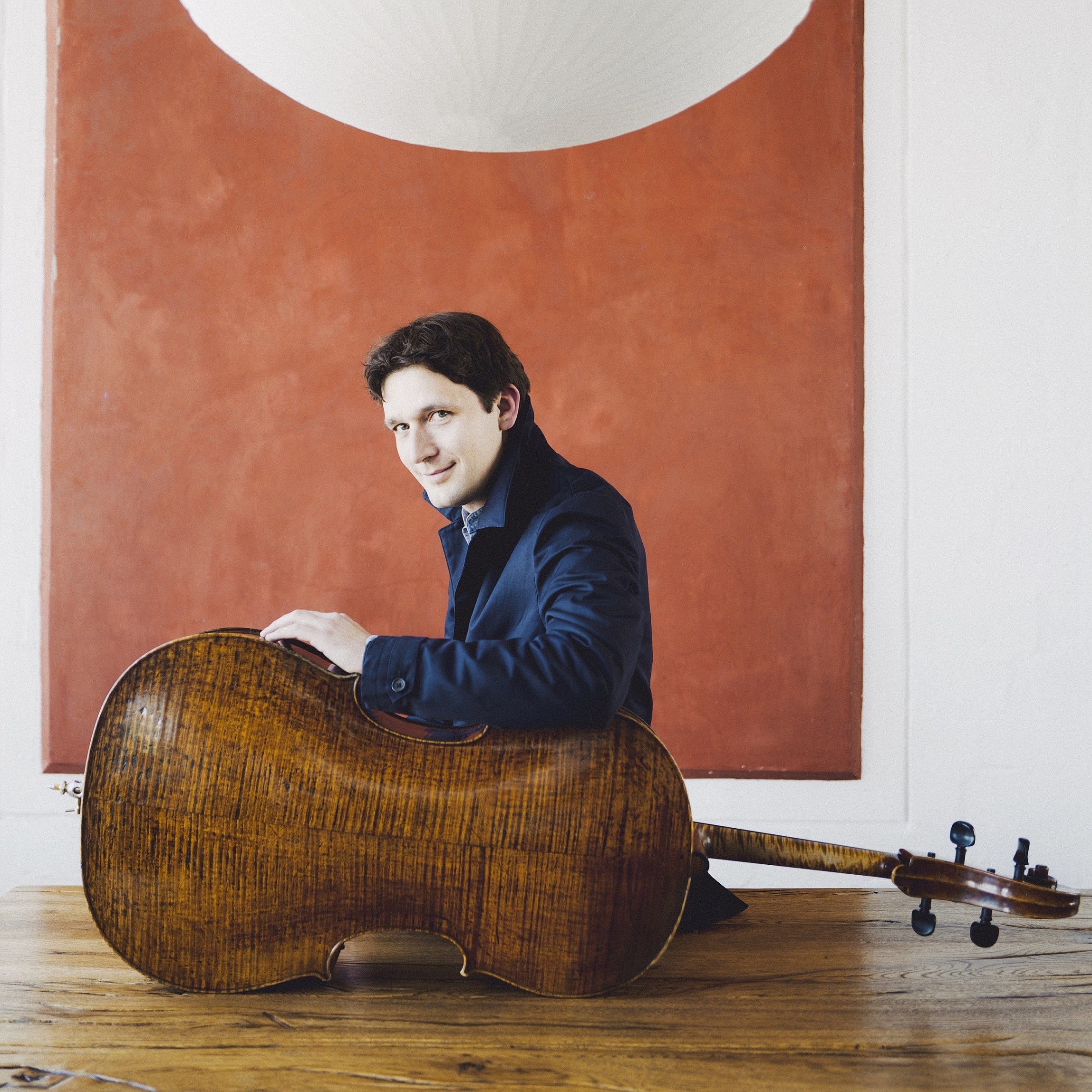
It is difficult to find a more colourful and wittier score in the world’s musical literature than Don Quixote, composed in 1897 based on Miguel de Cervantes’ novel. The hero is depicted here in all his grandeur, and his musical portrait also reveals elements of parody and satire. The soloist in Don Quixote, cellist Maximilian Hornung, has appeared with orchestras such as the London Philharmonic, Zurich Tonhalle, Czech Philharmonic, and the Vienna, Bamberg, Pittsburgh, and Dallas symphony orchestras, among others. He has collaborated with Yannick Nézet-Séguin, Esa-Pekka Salonen, Daniel Harding, Anne-Sophie Mutter, Christian Tetzlaff, and other renowned musicians, and has performed at the Musikverein in Vienna, the Concertgebouw in Amsterdam, Wigmore Hall in London, and the concert halls of the Berlin and Cologne Philharmonics.
The concert will also feature the Fantasia for violin and orchestra in E major, a work brimming with romanticism and lyricism, by Joseph Jongen, a Belgian composer and organist and contemporary of Richard Strauss. A representative of the Walloon school, Jongen is considered a successor to the traditions of César Franck, Gabriel Fauré, Claude Debussy, and Maurice Ravel.