Performers
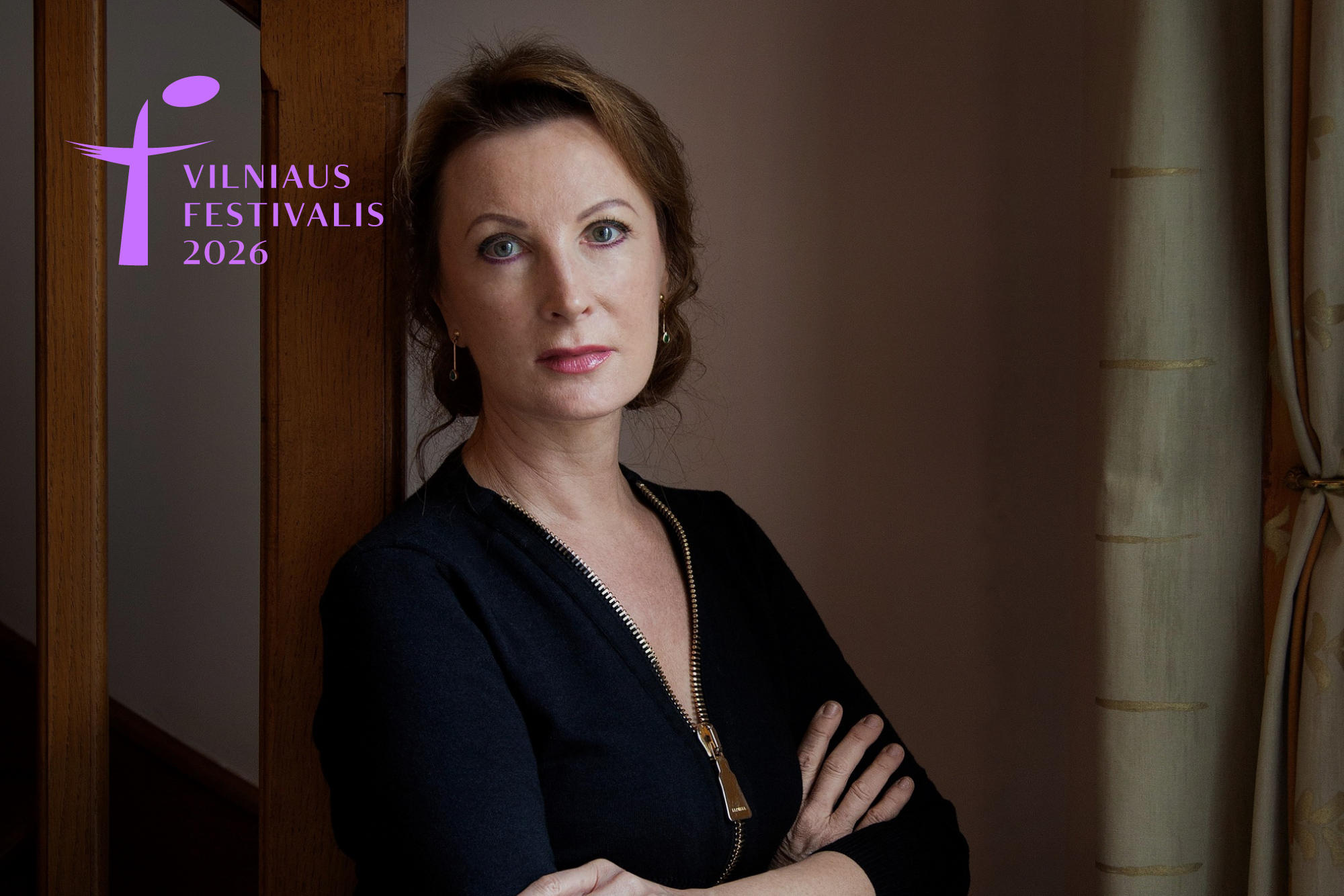
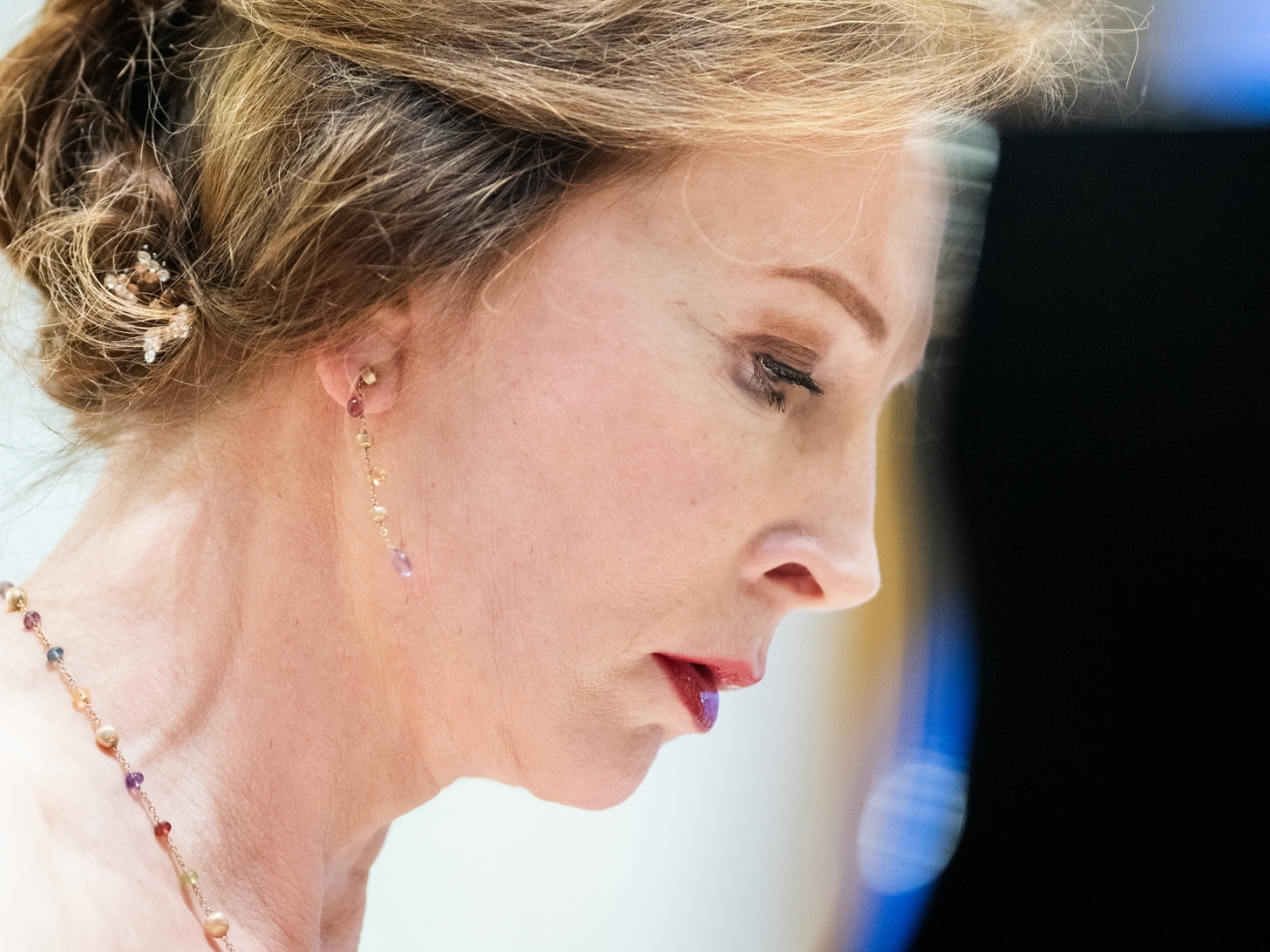
MŪZA RUBACKYTĖ (piano; Lithuania, France, Switzerland)
KAUNAS STATE CHOIR
(artistic director and principal conductor Robertas Šervenikas)
Conductor ROBERTAS ŠERVENIKAS
Programme
OLIVIER MESSIAEN – Première communion de la Vierge (The Virgin’s First Communion) from the piano cycle Vingt regards sur l’Enfant-Jésus (Twenty Contemplations on the Infant Jesus)
KRZYSZTOF PENDERECKI – Ciaccona (Chaconne, in memoriam Giovanni Paolo II, transcription for piano) from Polskie Requiem (Polish Requiem)
FERENC LISZT –
Le jeux d’eau de la Villa d’Este (The Fountains of the Villa d’Este) from the piano cycle Années de pèlerinage. Troisième année. Rome (Years of Pilgrimage. Third Year. Rome), S. 163;
Bénédiction de Dieu dans la solitude (The Blessing of God in Solitude) from the cycle Harmonies poétiques et religieuses (Poetic and Religious Harmonies), S. 173;
Via Crucis (14 Stations of the Cross) for soloists, choir and piano, S. 53
About
A meaningful tradition of the Vilnius Festival is to remember, reflect on, and commemorate the Day of Mourning and Hope through music. At the 30th festival, this day – June 14 – will be commemorated on the stage of the National Philharmonic Concert Hall with sacred music masterpieces for piano and Ferenc Liszt’s unique opus Via Crucis for piano, choir and soloists, which is rarely performed in Lithuania.
The majority of the programme consists of piano music performed by Mūza Rubackytė, the tireless ambassador of piano art around the world. The pianist will perform not only the works of Liszt, which have accompanied her throughout her life, but also an excerpt from Olivier Messiaen’s, the most prominent French composer of the 20th century, cycle for piano by Vingt regards sur l’Enfant-Jésus (Twenty Contemplations on the Infant Jesus), as well as Krzysztof Penderecki’s Ciaccona (Chaconne, in memoriam Giovanni Paolo II) from Polskie Requiem (Polish Requiem). The composer himself made a transcription for piano of a movement from the magnificent work and M. Rubackytė gave it a world premiere (the composer and the pianist nurtured a special artistic connection and deep friendship). This opus also enriched the performer’s extensive discography, which has been recognized with prestigious awards: In 2025, a CD of Penderecki’s works performed by Rubackytė and the LNSO was released (Evidence), featuring the ten-movement piano concerto Resurrection as well as Ciaccona.
The final highlight of the concert will be Liszt’s opus Via Crucis, consisting of fifteen uninterrupted parts, interpreted by the pianist and the Kaunas State Choir, an irreplaceable performer of grand works. This is a unique, dramatic work that conveys Via Dolorosa through music. As one of the most impressive examples of Liszt’s late work, Via Crucis testifies to the composer’s deep religiosity and artistic maturity, stands out for its innovative harmony, expressiveness and inner tension, and uniquely combines choral music, solo parts and piano art into a coherent spiritual journey.
The entire concert programme conveys the theme of spiritual elevation, which Rubackytė personally experiences and conveys in her performances. There were several periods in the pianist’s life when she lived in the Cistercian monastery of La Prée in France, and, as she herself says, this experience helped her to delve into spirituality, find connections with high art and universal love.
Organisers of the Festival Sponsor of the Festival Partner of the Festival